DJI Osmo Pocket 3 vs Sony ZV-1 II: The Ultimate 1-Inch Vlog Camera Showdown 2026 Guide
If you are looking for the best compact vlog camera to upgrade your content creation game, you have likely narrowed your choices down to two powerhouses: the Sony ZV-1 II and the DJI Osmo Pocket 3. Both devices have completely revolutionized how solo creators, travel vloggers, and TikTokers shoot videos.
However despite sharing a massive 1-inch sensor, these two cameras target entirely different styles of filmmaking. One is a traditional pocket camera with an ultra-wide zoom lens, while the other is a futuristic wand with a mechanical stabilization gimbal.
In this comprehensive DJI Osmo Pocket 3 vs Sony ZV-1 II comparison, we will analyze their specs, stabilization, low-light video performance, and audio capabilities to help you pick the perfect tool for your vlogging gear setup
Quick Summary (TL;DR): Which One Wins?
Don’t have time to read the full review? Here is the quick takeaway
DJI Osmo Pocket 3 vs Sony ZV-1 II
Technical Specifications Comparison
Before diving into the detailed breakdown, let’s look at how the DJI Osmo Pocket 3 review specs stack up against the Sony ZV-1 II review on paper
DJI Osmo Pocket 3 vs Sony ZV-1 II
| Feature | DJI Osmo Pocket 3 | Sony ZV-1 II |
|---|---|---|
| Sensor Size | 1-inch CMOS | 1-inch Exmor RS CMOS |
| Lens Focal Length | 20mm (Fixed Prime) | 18-50mm (Optical Zoom) |
| Max Video Resolution | 4K at 120fps | 4K at 30fps / 1080p at 120fps |
| Stabilization Type | 3-Axis Mechanical Gimbal | Electronic (Active SteadyShot) |
| Color Profiles | 10-bit D-Log M / HLG | S-Log3 / S-Gamut3.Cine |
| Audio Setup | Built-in 3-Mic Array (DJI Mic 2 Compatible) | Intelligent 3-Capsule Mic (With Deadcat) |
| Weight | 179 grams | 292 grams |
1. Video Quality and Low-Light Performance
Both cameras utilize a 1-inch sensor camera setup. This is a massive deal because 1-inch sensors capture significantly more light than smartphones or older action cameras, giving your videos that blurry background bokeh and great low-light performance
Sony ZV-1 II Video Performance
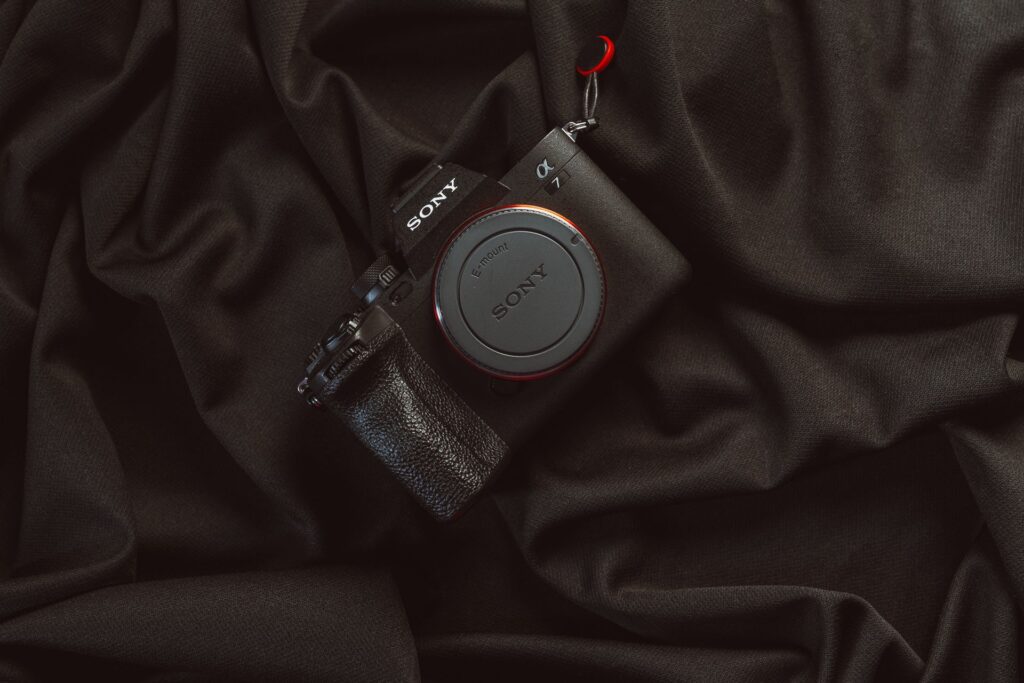
The Sony ZV-1 II shines when it comes to color science and versatility. Its 18-50mm equivalent lens allows you to zoom in optically without losing image resolution.
The 18mm ultra-wide end is fantastic for vlogging because you can hold the camera close and still frame your head and shoulders perfectly.
Sony’s autofocus remains the best in the industry utilizing real-time eye tracking that never loses focus on your face.
DJI Osmo Pocket 3 Video Performance
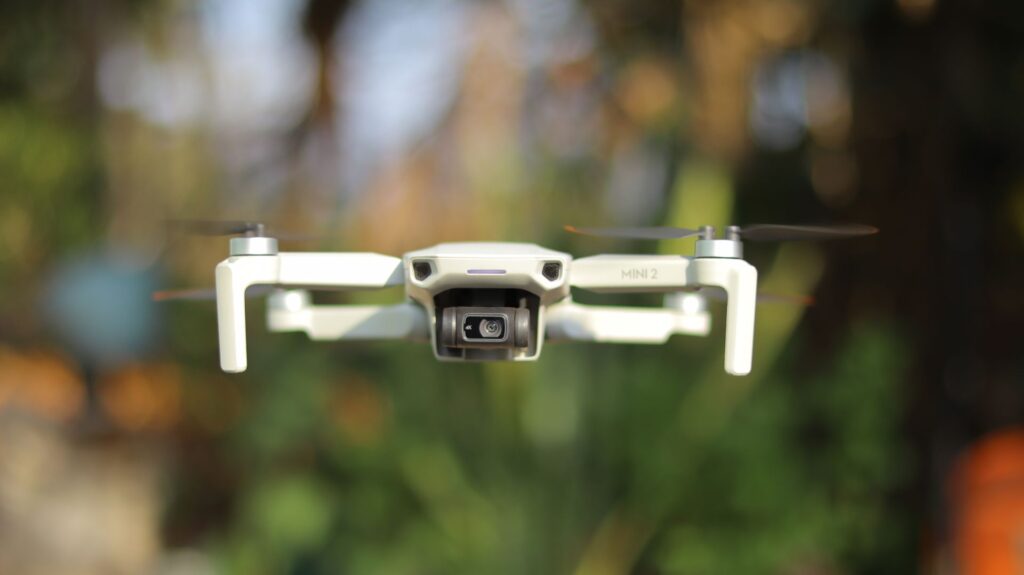
The Osmo Pocket 3 counters with pure cinematic power. It can shoot 4K video at a stunning 120fps, whereas the Sony is capped at 4K/30fps. If you love smooth, cinematic slow-motion B-roll of landscapes or street food, the DJI is unmatched. It also introduces a rotating 2-inch OLED touchscreen that automatically switches the camera on and alters the video orientation from horizontal to vertical format instantly.
Verdict on Video Quality: It’s a tie. The Sony ZV-1 II wins for optical zoom and natural skin tones out-of-the-box. The DJI Osmo Pocket 3 wins for 4K slow-motion and vertical video agility
DJI Osmo Pocket 3 vs Sony ZV-1 II
2. Image Stabilization: Mechanical Gimbal vs. Electronic Crop
If you are a vlogger who walks and talks simultaneously, image stabilization is arguably the most crucial factor in your decision.
The Gimbal Advantage (DJI)
The gimbal camera for vlogging design of the DJI Osmo Pocket 3 gives it an unfair advantage
DJI Osmo Pocket 3 vs Sony ZV-1 II uses physical motors to actively counteract your hand movements. Whether you are walking down stairs, jogging, or tracking a fast-moving subject, the video remains as smooth as a Hollywood steadicam.
The Electronic Compromise Sony
The Sony ZV-1 II relies on electronic stabilization called “Active SteadyShot.” While it does stabilize the image, it achieves this by cropping into your frame. This means your face appears closer to the camera, reducing your background view. Furthermore, walking shots can still suffer from micro-jitters, requiring you to buy an external shooting grip like the Sony GP-VPT2BT to keep it steady.
Verdict on Stabilization:DJI Osmo Pocket 3 wins by a landslide. It is the ultimate tool for dynamic movement.
3. Audio Capabilities: Built-in Mics and Wireless Integration
Good audio is half the battle in content creation. Viewers will tolerate average video quality
but they will click away instantly if the audio is bad
- Sony ZV-1 II Audio: Sony includes an intelligent 3-capsule microphone on top of the camera. You can manually set it to prioritize sound coming from the front, rear, or all directions. It also includes a furry windscreen (deadcat) to block out heavy wind noise.
- DJI Osmo Pocket 3 Audio: The Pocket 3 has an omnidirectional 3-microphone array that records immersive stereo sound. However, its real secret weapon is the built-in Wi-Fi and Bluetooth module that allows it to connect directly to the DJI Mic 2 transmitter without needing any receiver plugged into the camera body
- DJI Osmo Pocket 3 vs Sony ZV-1 II
Verdict on Audio:DJI Osmo Pocket 3 wins if you buy the Creator Combo package, as the seamless wireless mic integration provides crisp audio anywhere.
4. Pros and Cons Breakdown
DJI Osmo Pocket 3
- Flawless 3-axis physical gimbal stabilization.
- Shoots 4K at 120fps for buttery slow-motion.
- Rotating screen allows instant vertical video for TikTok/Reels.
- Excellent low-light performance with ActiveTrack 6.0 subject tracking.
Cons:
- Fixed 20mm lens means no optical zoom.
- The fragile gimbal structure requires careful handling.
Sony ZV-1 II
Pros:
- Versatile 18-50mm optical zoom lens.
- Excellent Product Showcase mode for beauty and tech reviewers.
- Sturdy, traditional compact build quality.
- Industry-leading Real-time Eye Autofocus.
Cons:
- Electronic stabilization crops the video frame significantly.
- Capped at 4K/30fps.
Conclusion
Final Verdict: DJI Osmo Pocket 3 vs Sony ZV-1 II
When choosing between the DJI Osmo Pocket 3 vs Sony ZV-1 II look closely at your workflow.
If your content revolves around lifestyle vlogging, travel videos, active movements, and fast vertical short-form content, the DJI Osmo Pocket 3 is the most innovative and efficient piece of vlogging gear for beginners and professionals alike. Its stabilization and ease of use are unbeatable.
However, if you are a beauty, tech, or lifestyle reviewer who records sitting at a desk, or if you need the flexibility of zooming into objects without moving the Sony ZV-1 II is a phenomenal powerhouse that behaves like a professional mirrorless camera in a tiny body
DJI Osmo Pocket 3 vs Sony ZV-1 II
As a beginner vlogger, you might ask yourself: which camera should I actually choose for my daily content?
When looking at the DJI Osmo Pocket 3 vs Sony ZV-1 II, the choice comes down to your personal shooting style. If you want a camera that completely eliminates shaky footage without needing a heavy setup one of these stands out as the ultimate winner for creators starting from scratch